
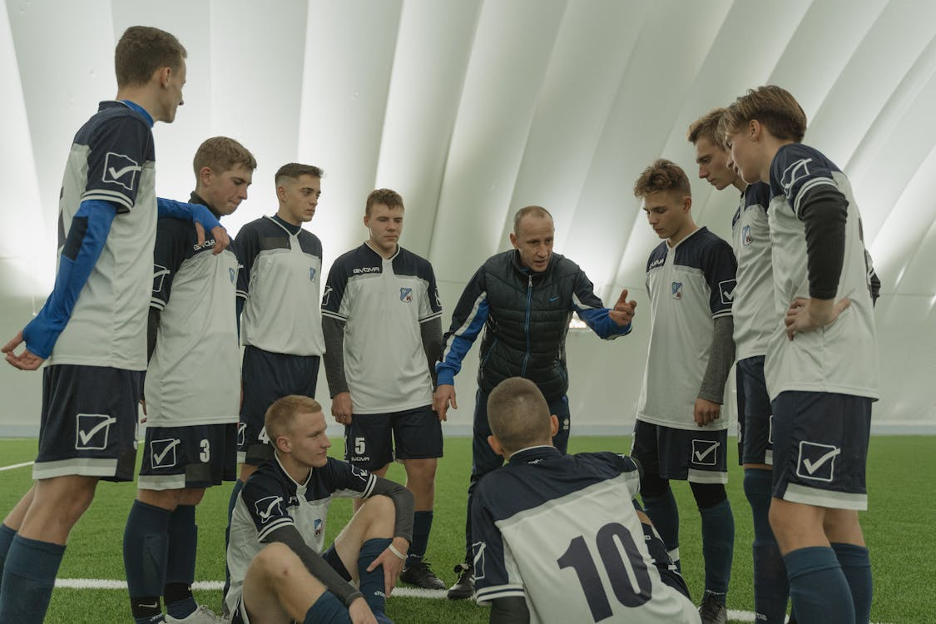
International managers shape World Cup tournament patterns by deciding how quickly a team settles, how clearly it plays, and how well it handles pressure across a short run of knockout-level matches.
At this level, the manager often has less time than a club coach but more influence over the team’s structure and psychology.
The World Cup is unusual because it compresses everything. There is limited preparation time, very little margin for error, and a format that rewards clarity more than experimentation. That makes the role of the manager especially important.
Why Managers Carry Unusual Weight At The World Cup
At club level, long seasons can correct for poor starts or tactical missteps. International tournaments do not offer that luxury. One slow opening match or one badly managed knockout tie can define the entire campaign.
That is why World Cup teams often reflect their managers so clearly. Some sides are compact and pragmatic. Others press early, dominate possession, or rely on transitions. Those patterns usually come from coaching choices rather than raw talent alone.
A squad may arrive with star names, but tournament identity still needs to be set. The manager decides whether the side plays with control, risk, patience, or speed. Over seven matches at most, that identity becomes one of the clearest indicators of how far a team can go.
The Short-tournament Effect
Small Margins Become Decisive
World Cups are often remembered through goals, penalties, and dramatic moments, but those moments usually sit on top of deeper managerial decisions. Team selection, substitution timing, defensive shape, and match tempo all affect those fine margins.
A manager who understands the rhythm of tournament football tends to avoid overreaction. A draw in the group stage does not always require major changes. A narrow win does not always prove everything is working. The best international coaches are often the ones who read the wider picture correctly.
Preparation Time Matters More Than Squad Depth
At club level, managers can drill patterns for months. At the World Cup, time is short. That usually benefits coaches who communicate clearly and keep instructions focused.
Teams that look settled early in a tournament often have managers who know what can realistically be installed in a short camp. They simplify without becoming predictable. They define roles quickly. They make sure the team understands not only how to attack, but how to respond when the match turns against them.
The Strongest World Cup Managers Usually Build Patterns, Not Moments
World Cups are often discussed through iconic moments, but the deeper story is usually pattern-based. Teams progress because they defend repeatably, create reliable chances, and respond well to stress.
That is where managers leave the clearest mark. They create a version of the team that can survive different scenarios without losing its core shape.
Identity Over Improvisation
A side that knows what it is tends to travel further than a side searching for answers mid-tournament. Identity does not guarantee success, but it usually improves resilience.
This is also why discussion around tournament forecasting often turns toward coaching once squads are confirmed. Readers comparing contenders, tactical setups, and broader World Cup betting conversations are usually still asking the same football question underneath it all: which manager is most likely to make a team coherent under pressure?
Consistency Across Seven Matches
Winning a World Cup is not about producing one great display. It is about sustaining a level across group games, knockout football, extra time, and emotional swings. Managers who build consistency, not just intensity, tend to shape the most successful tournament runs.
Tactical Clarity Often Matters More Than Tactical Complexity
The best World Cup sides are not always the most inventive. Quite often, they are the clearest. Players tend to perform better when the structure is obvious and the distances between units make sense.
A manager who asks for too much detail too quickly can leave a team looking hesitant. By contrast, a coach with a clean tactical message can produce a side that looks balanced within days.
Systems That Players Can Absorb Quickly
This is one reason some managers favour repeatable patterns over constant adjustment. A stable back line, a disciplined midfield shape, and well-defined transition roles usually translate well to tournament football.
That does not mean rigidity. It means giving players a framework they can trust under pressure. When knockout matches tighten up, trust in the system can matter more than flair.
In-game Flexibility Without Over-coaching
The strongest international managers also know when to change a match. They do not rely on one plan only. They build a base structure, then adjust details when the opponent demands it.
That flexibility often separates quarter-finalists from finalists. Teams need enough identity to stay calm but enough adaptability to survive different match types. One opponent may allow possession. The next may force long spells without the ball.
Experience Changes How Teams Handle Pressure
Experience is not everything, but it matters at the World Cup because pressure behaves differently in international football. The emotional swings are sharper, media noise is louder, and every decision feels final.
Managers with tournament experience often show it in quieter ways. They protect the squad from distraction. They rotate without creating uncertainty. They avoid public panic after setbacks.
Game-state Management
One of the most important coaching skills in tournament football is managing the game state. When to slow the match, when to introduce energy, when to protect a lead, and when to chase momentum all matter.
These are not always dramatic decisions, but they shape tournament patterns. Teams that repeatedly control the final 20 minutes of games are rarely doing so by accident.
Squad Rotation And Emotional Control
Strong World Cup campaigns are rarely built by one starting XI alone. Managers need the wider squad to stay engaged, especially across a compact schedule. That means using rotation carefully and keeping non-starters connected to the group.
It also means controlling emotion. International tournaments can become reactive very quickly. Coaches who keep selection logic and team messaging consistent usually give their sides a better chance of staying balanced.
What Readers Should Watch Before The Next World Cup
Before the next tournament begins, the most useful signs are not always the loudest ones. Watch for teams with a clear shape, settled leadership, and a coach who understands trade-offs.
A World Cup manager does not need to reinvent football. The job is to make a national team functional, calm, and recognisable in the hardest moments. Across modern tournaments, that has been one of the most reliable patterns of all.